GPT-5 Helps Immunologist Solve T Cell Development Mystery
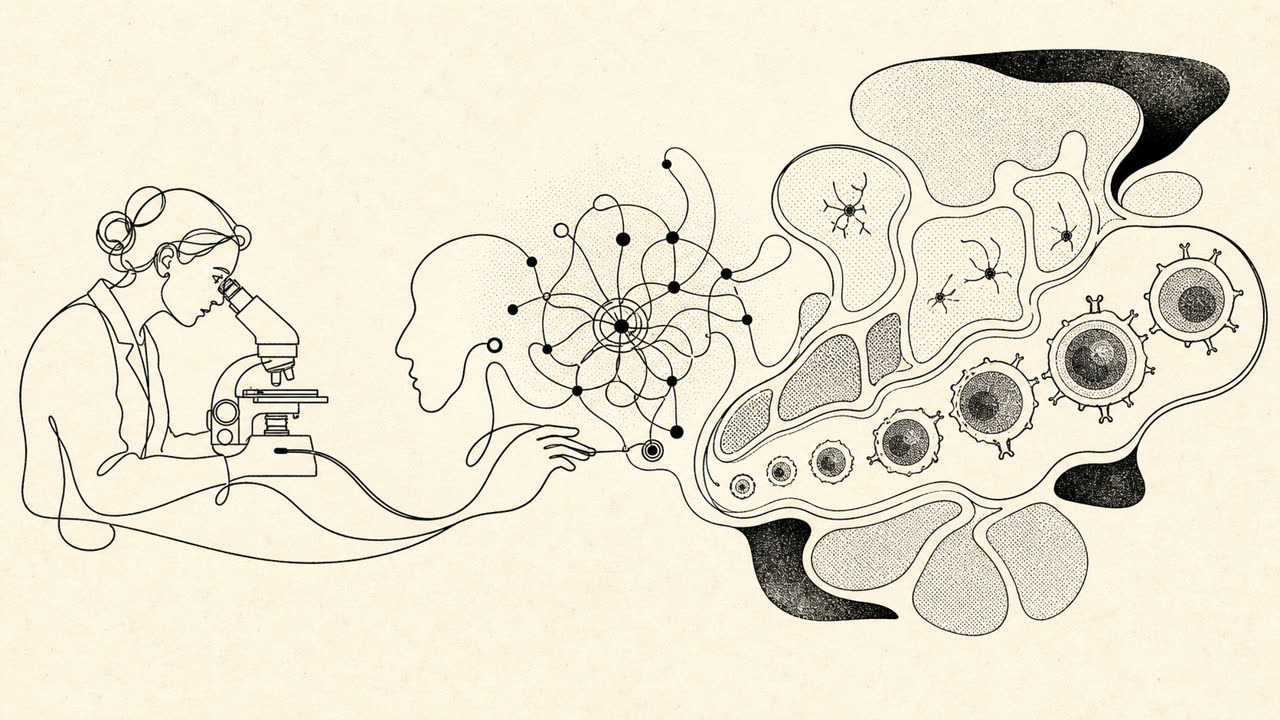
Immunologist Derya Unutmaz utilized the advanced capabilities of GPT-5 Pro to resolve a complex, three-year-old mystery concerning T cell development. The core scientific question investigated how glucose metabolism influences the specialization of T cells, which are crucial immune components. Unutmaz's initial experiments, conducted in 2022, showed that T cells exposed to a glucose-like molecule, deoxyglucose, produced a significantly higher number of inflammatory-response cells compared to those exposed to low glucose levels. Initially, the lab could not explain this discrepancy, as the difference could not be attributed merely to energy deprivation. The breakthrough came when Unutmaz fed the raw data into GPT-5 Pro. The model suggested that deoxyglucose specifically interfered with the construction of the protein IL-2. This interference effectively removed a natural barrier, allowing T cells to develop into Th17 inflammatory-response cells at a rate much higher than observed in the low-glucose condition, providing a novel and crucial insight into immune system regulation.
Why it matters
- —Demonstrates AI's power to unlock complex scientific insights beyond human intuition.
- —Highlights the critical role of LLMs in accelerating fundamental biological research.
- —Provides a case study of how AI can solve long-standing scientific puzzles.
Key facts
- The mystery focused on how glucose affects T cell specialization, which is vital for fighting disease.
- Experiments showed deoxyglucose caused a disproportionate increase in inflammatory T cells compared to low glucose.
- GPT-5 Pro suggested that deoxyglucose interfered with IL-2 protein construction.
- This interference removed a natural barrier, promoting the development of Th17 inflammatory cells.
The full text is in the original source. Here we provide a brief summary and key facts.